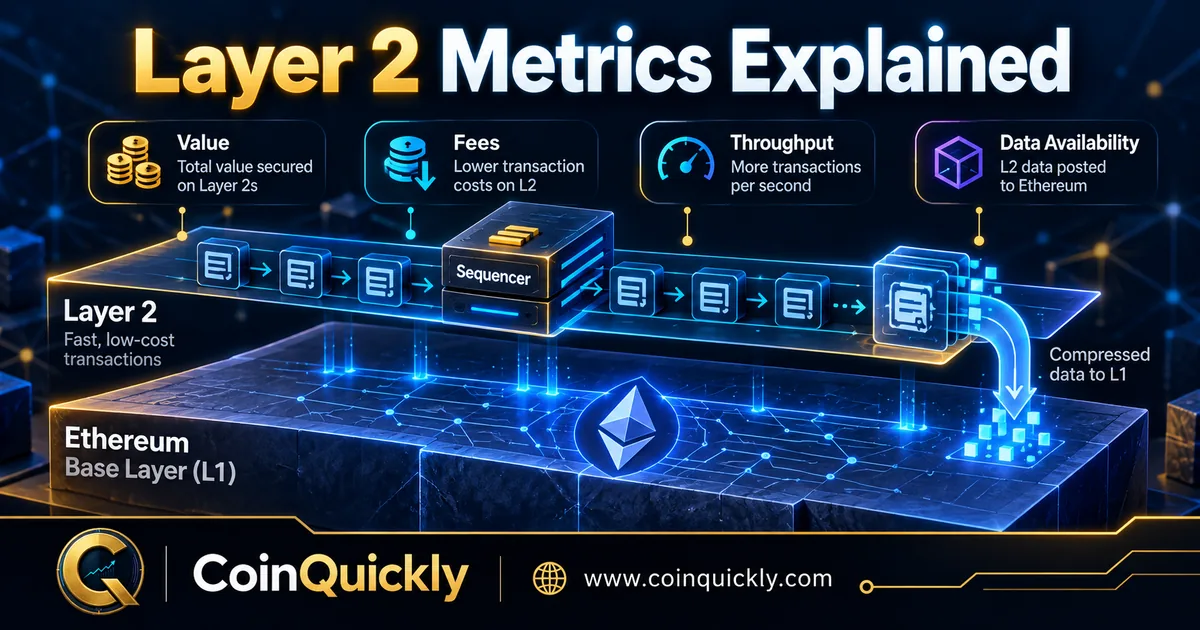
Layer 2 Metrics: TVL, Fees, Throughput & Security
Learn how to read Layer 2 value, fees, throughput, sequencer controls, and data availability together without mistaking activity for security or low fees for sustainability.
10 min readRead article →
 CoinQuickly
 journal
RSS FeedPractical crypto guides and considered analysis, built to stay useful after the headline moves on.
Learn how to read Layer 2 value, fees, throughput, sequencer controls, and data availability together without mistaking activity for security or low fees for sustainability.

Learn how to identify crypto market regimes using trend, participation, liquidity, and leverage—without claiming to know the next top or bottom.
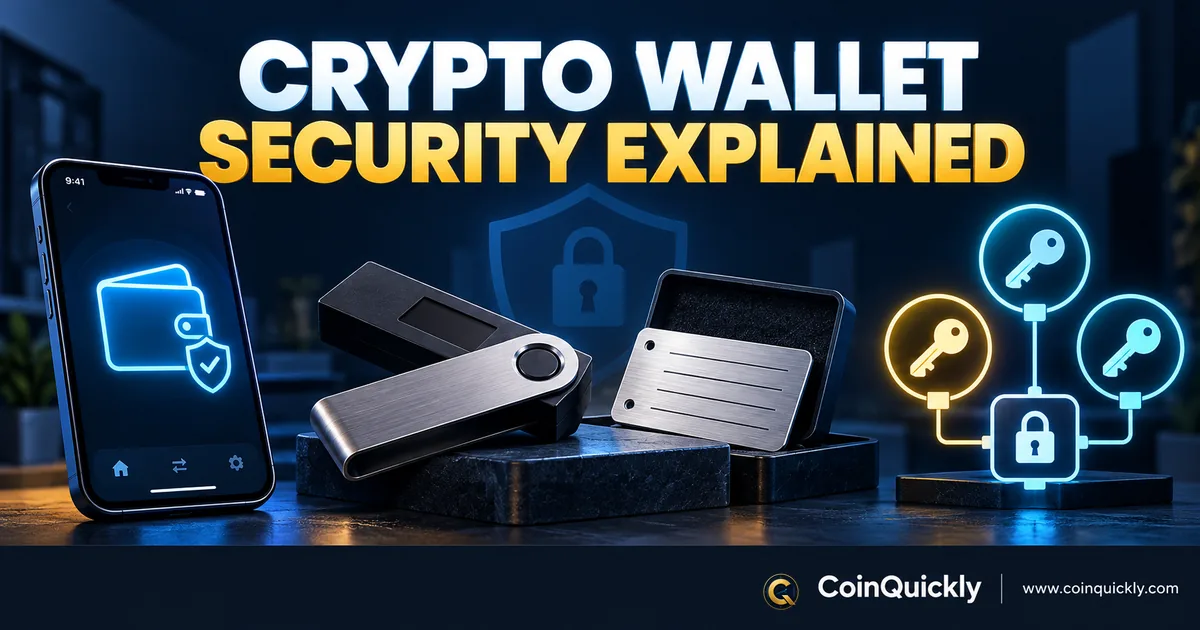
Understand hot and cold wallets, protect recovery phrases, and assess multisig without confusing offline keys with safe transactions or reliable recovery.
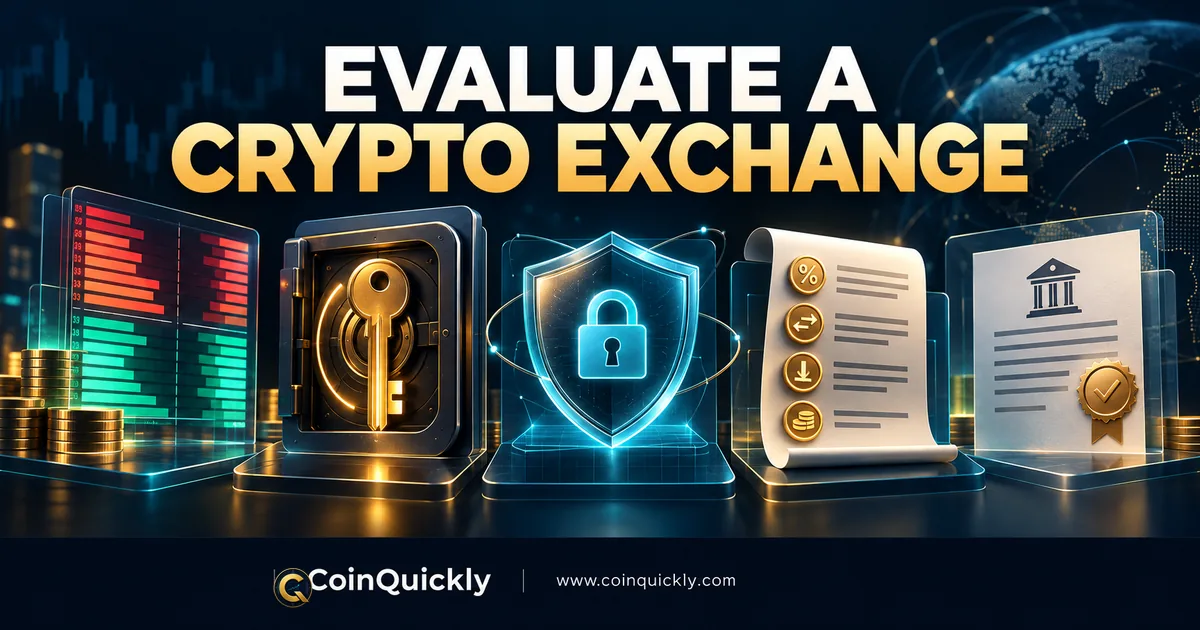
Evaluate a crypto exchange across liquidity, custody, security, total costs, and jurisdiction-specific regulatory status with a practical evidence checklist.
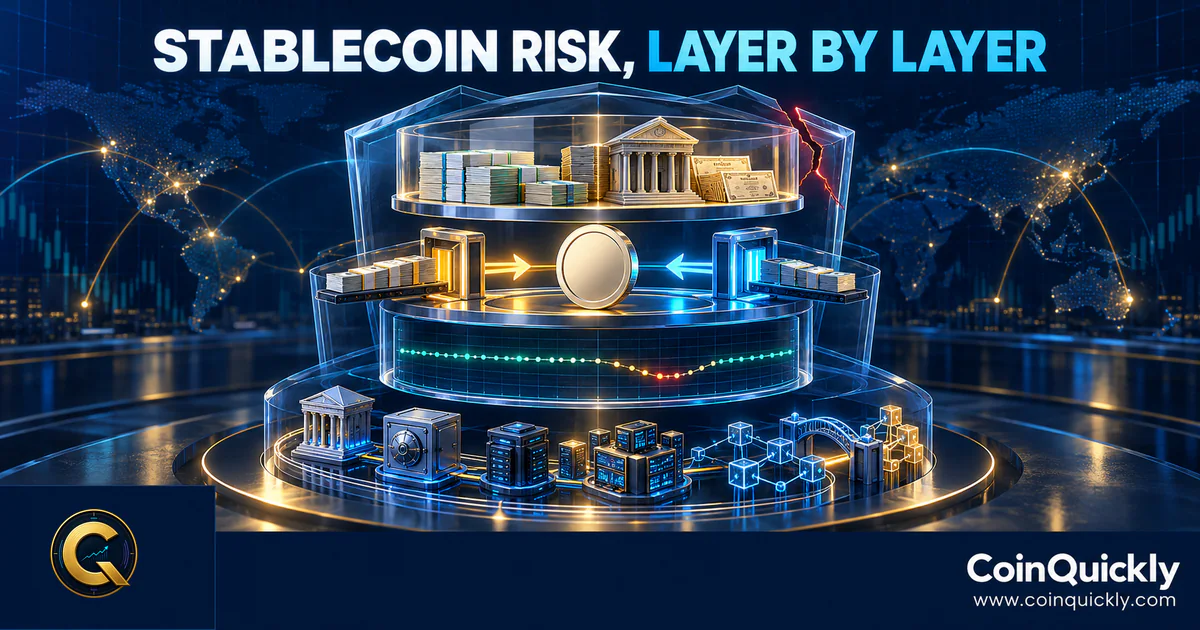
Learn how to evaluate stablecoin reserves, redemption rights, depeg severity, counterparties, and on-chain dependencies with a repeatable risk framework.

Learn what crypto proof of reserves can verify, what Merkle trees and wallet signatures miss, and how to evaluate a report without confusing it with an audit.

Learn how crypto Fear & Greed indexes combine market signals, why providers disagree, and what a sentiment score can—and cannot—tell you.

Learn how Bitcoin dominance is calculated, why providers can report different values, and what the metric can—and cannot—reveal about BTC and altcoins.
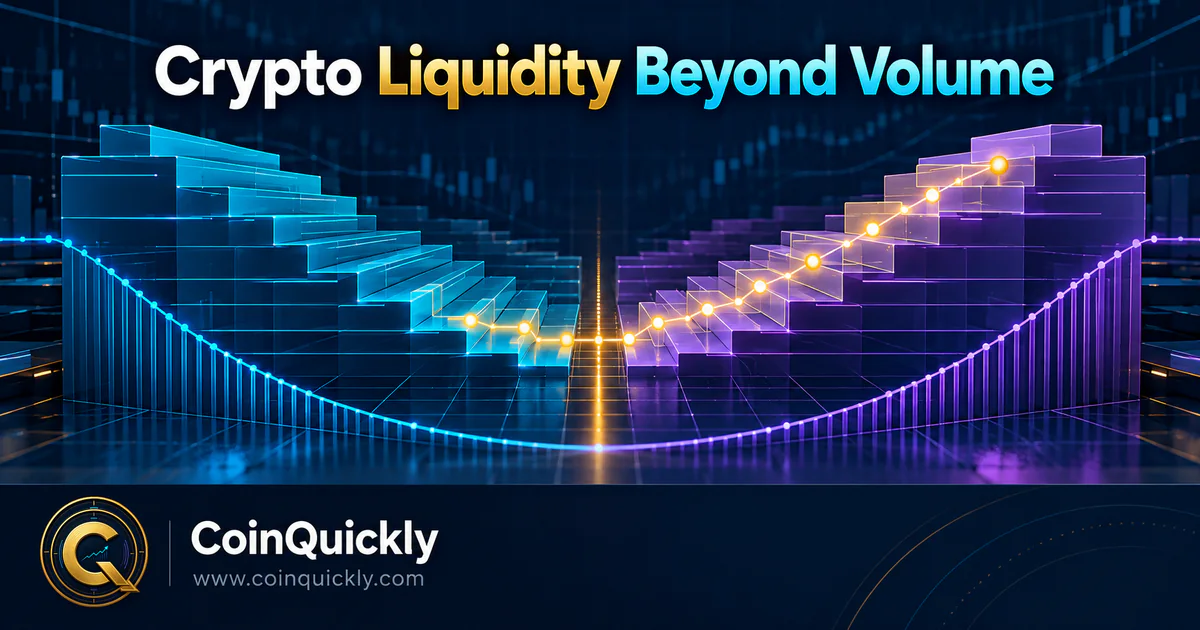
Learn how crypto liquidity works across volume, bid-ask spread, market depth, slippage, and market impact—and how to estimate execution quality before a trade.

Learn how to read crypto price, market cap, volume, supply, and liquidity together, verify the inputs, and spot what a market dashboard leaves out.

Learn how crypto conversion, ROI, DCA, and market-cap calculators work, which formulas they use, and how to test their assumptions and limitations.
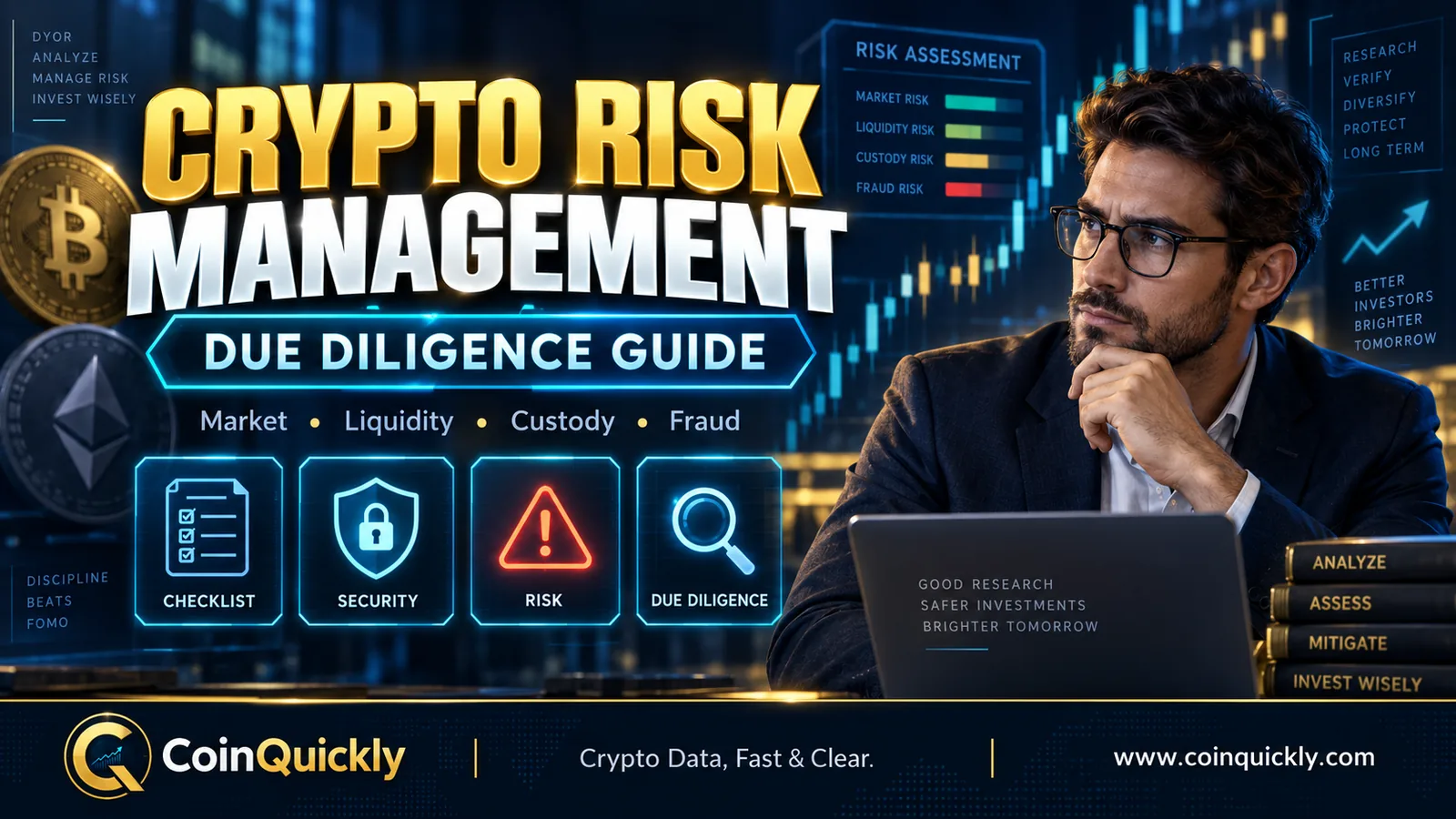
A practical framework for identifying market, liquidity, custody, smart-contract, governance, counterparty, operational, and fraud risks in crypto.