Key Takeaways
A study shows how the buy, borrow, die tax trade loads DeFi lending pools with hidden credit risks as users avoid selling assets.
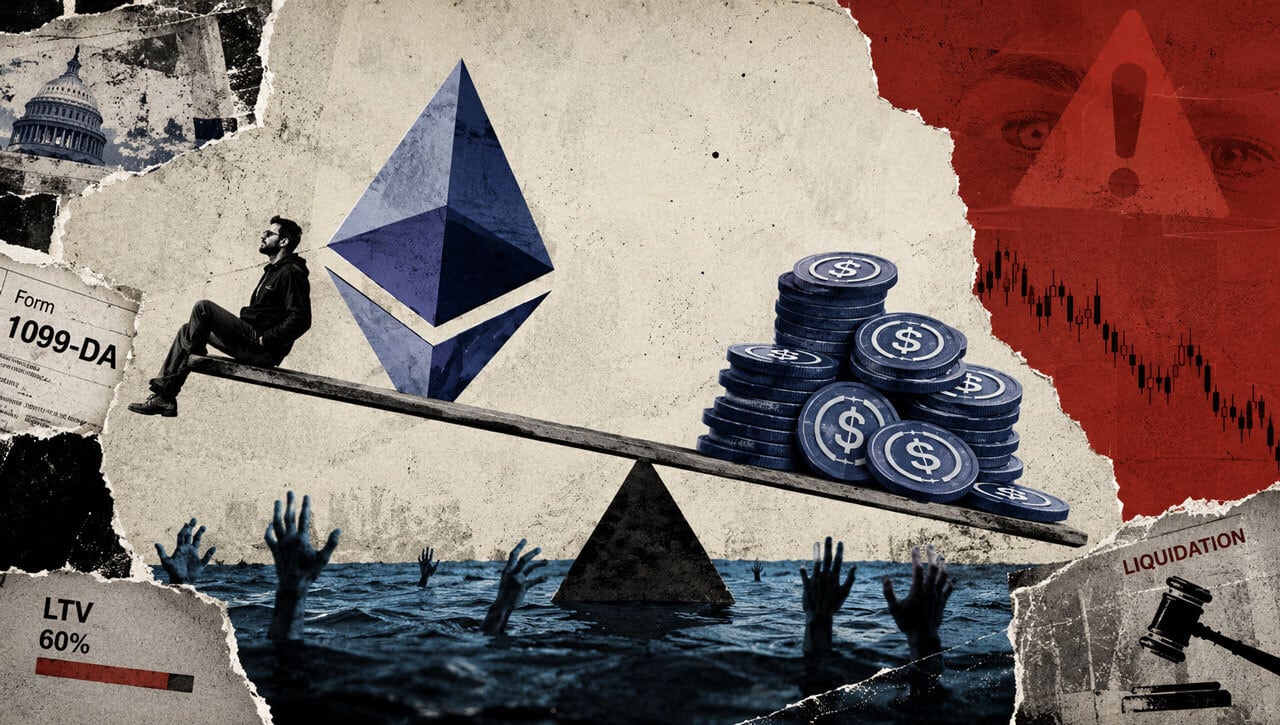
CryptoSlate reports that a working paper by academic researchers reveals how the traditional "buy, borrow, die" tax strategy is creating hidden credit risk within decentralized finance lending pools. By depositing appreciated crypto assets like Ethereum as collateral to borrow stablecoins, users can defer capital gains taxes while maintaining exposure to future price gains.
The study examined the Venus protocol on BNB Smart Chain between November 2020 and July 2022. Researchers found that following the enactment of the Infrastructure Investment and Jobs Act in November 2021, tax-sensitive borrowers traded significantly less, leaving collateral-backed loans exposed for longer periods. This reduced trading activity was linked to an increase in defaulted accounts and defaulted loan values within the lending pools.
Because smart contracts cannot observe a borrower's purchase price or external tax incentives, automated protocols evaluate all identical collateral positions the same way. When borrowers delay repayments or avoid selling appreciated assets as loan-to-value ratios deteriorate, the resulting liquidation risks and bad debt can ultimately impact protocol reserves, token holders, and liquidity suppliers.
Source & Fact-Check Note
This report is synthesized from coverage by CryptoSlate. Information has been fact-checked and structured for market clarity by CoinQuickly’s research desk.
Read original article at CryptoSlate ↗