Key Takeaways
Bitcoin Magazine reports the first quantum-resistant transaction occurred on the mainnet without requiring a fork.
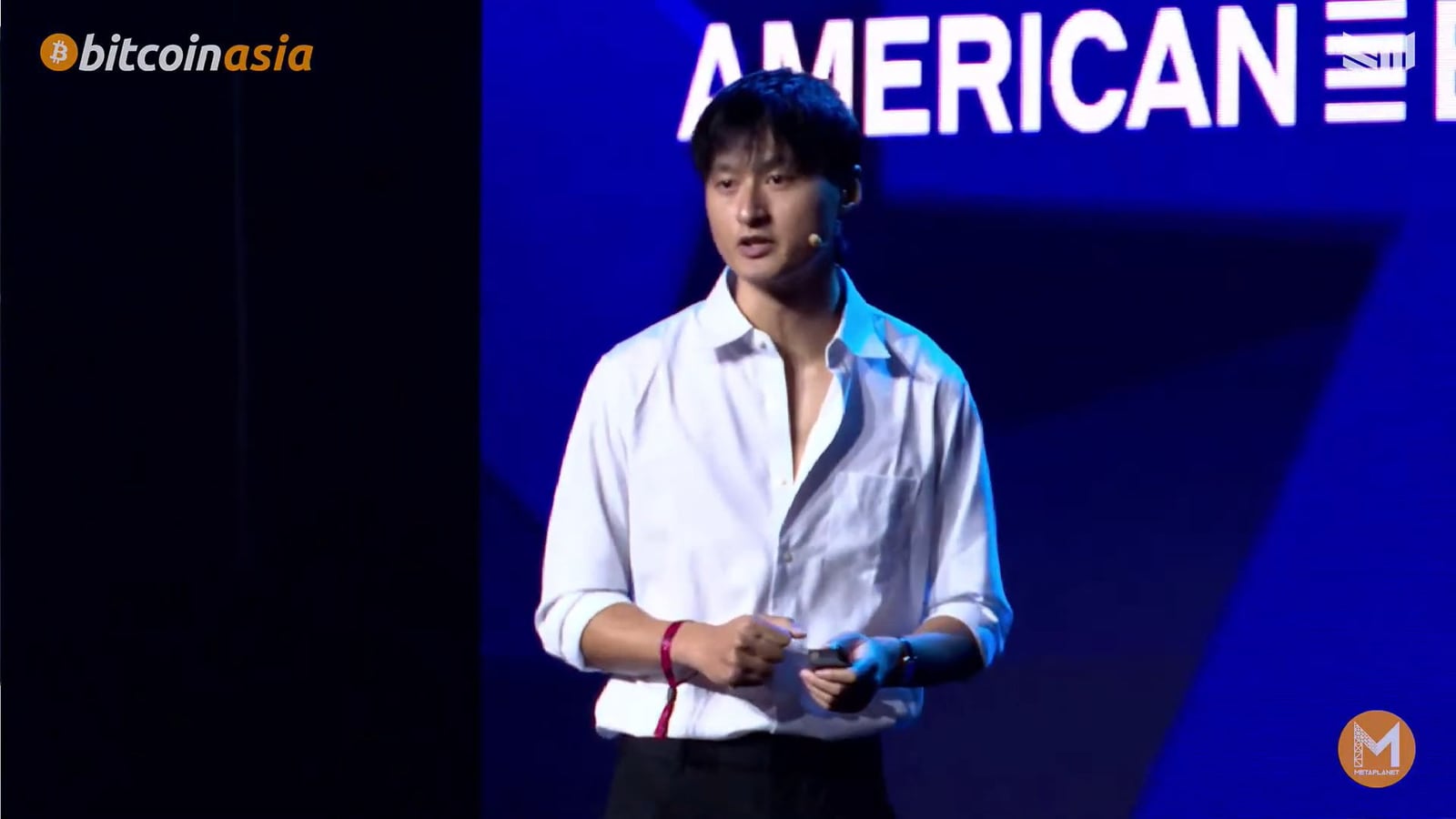
According to Bitcoin Magazine, the first post-quantum resistant Bitcoin transaction was broadcast and mined this week. Speaking at Bitcoin Asia in Hong Kong, Damian Chen of the Starknet Foundation explained that the milestone transaction was achieved without soft forks, hard forks, or core protocol upgrades.
The method was created by StarkWare researcher Avihu Levy. It utilizes "signature grinding," which generates millions of signature candidates to find one with a specific structural property that avoids exposing vulnerable cryptographic material while sitting in the public queue. Although computationally expensive and taking hours to produce, this process prevents quantum shortcuts.
Because ordinary Bitcoin nodes do not currently recognize the non-standard transaction format, the transaction was handed directly to a miner willing to accept it, specifically MARA's Slipstream service. Chen stated that the new quantum-safe Bitcoin transactions, dubbed "QSB," introduce a new hash authorization that stops attackers from making fraudulent transfers even if they possess exposed public keys or derived private keys.
While quantum researchers warn that software upgrades will eventually be needed, top Bitcoin developers note current quantum computers have limited capabilities, though solutions are being developed.
Source & Fact-Check Note
This report is synthesized from coverage by Bitcoin Magazine. Information has been fact-checked and structured for market clarity by CoinQuickly’s research desk.
Read original article at Bitcoin Magazine ↗